
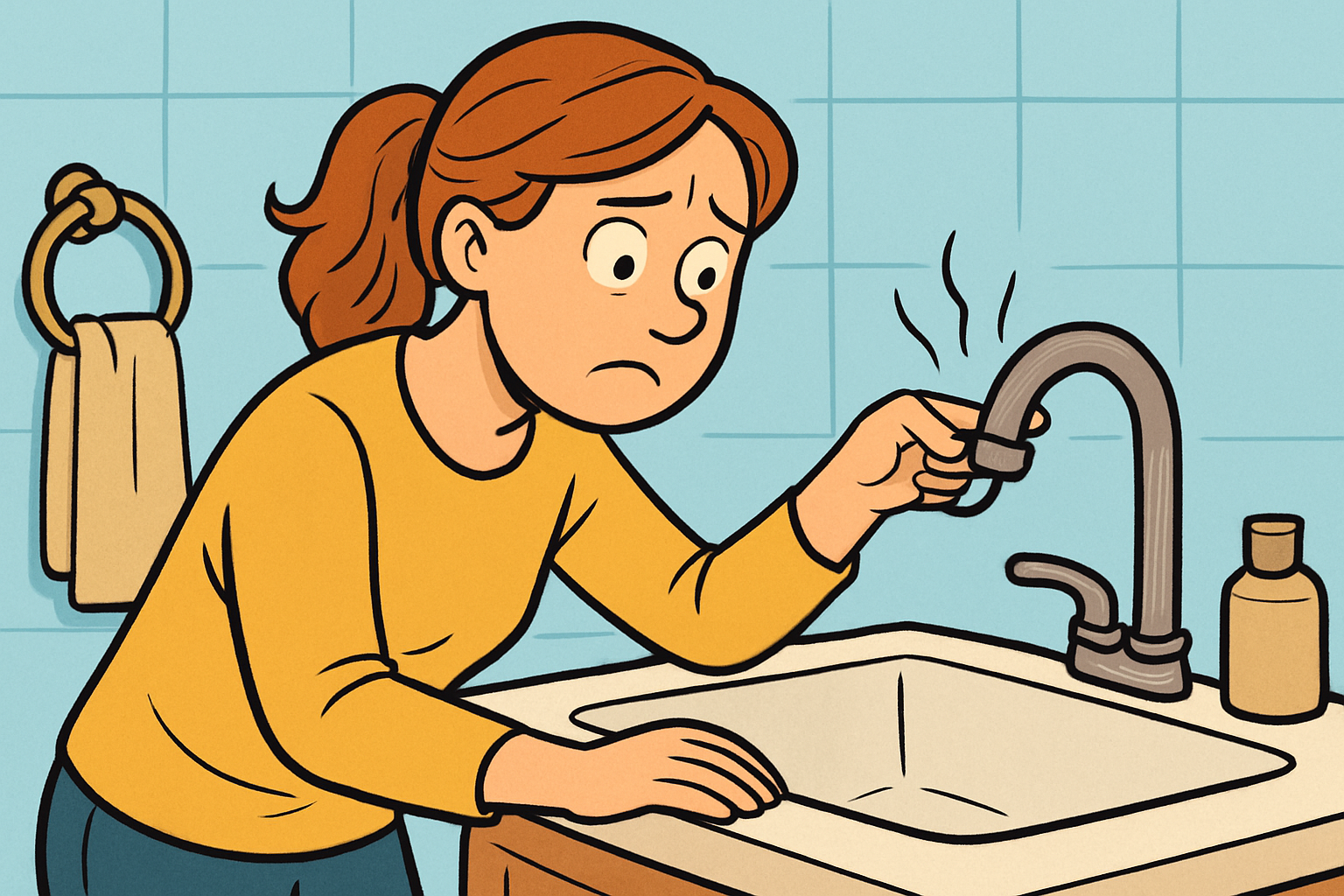
A few guys from the local fire station stopped by the ranch yesterday and asked for a tour of the property, which I happily provided. While we were talking, I asked how they were faring with all the road construction going on outside their station. That’s when they told me:
“The construction crew busted a water pipe a few months ago and the firehouse has been without water ever since and no one is getting to work fixing it!”
I was shocked to hear this. On the one hand, I hadn’t heard about it, and it seems like something they’d want us simple ranch folk who rely on that firehouse to know. But I digress.
It got me thinking about the issues that regular tenants face with their landlords, and how some people, just like these firefighters, don’t know what to do to get the repairs and maintenance they need for their homes to be even at a minimum livable.
Some Basics
In my hometown of Ojai, California, much like the rest of the country, there is a growing trend away from homeownership and toward renting. The socio-economic reasons for this are a topic for another day, but either way, the reality is that the number of landlord–tenant relationships is on the rise, and so are the legal issues that come with them.
In California, once the lease has been signed and you’ve moved in, the law sets out duties and responsibilities for both the tenant and the landlord. The tenant’s duty is straightforward: pay the agreed-upon rent. The landlord’s duties, on the other hand, are a bit more obscure.
Basically, a landlord must provide a space that is both safe, meaning it has proper safety features such as smoke detectors and secure locks, and sanitary, meaning the utilities work as intended, there are no leaks, and the property is free from rodents or other pests.
This isn’t a complete list of landlord duties, and of course, if the lease itself includes specific obligations, those must also be honored. But for the average tenant, it’s easiest to remember this: a landlord must provide housing that is both safe and sanitary and not just at the start of the lease, but throughout the tenancy.
The All-Too-Common Hypotheticals
For the sake of space, let’s set aside the minor issues, like a wobbly stair railing or a refrigerator that won’t stay cold. Instead, let’s take one of the “grand slam” issues, like the firefighters’ situation, that actually renders a home legally unlivable.
Imagine a water line bursts. Now the house has no running water or worse, a foot of standing water inside. What should you do?
Don’t wait around, hoping someone takes notice. Immediately notify your landlord in writing and make it clear: there is no running water because a pipe burst, and the property is uninhabitable.
Once the landlord is on notice, the clock starts ticking.
The Law of Constructive Eviction
A lot of people think “eviction” only means being kicked out by the sheriff. But in fact, it’s a term of art that describes a variety of ways a tenant can be forced out of their home. When a landlord’s action, or failure to act, renders a home unlivable, we call it constructive eviction.
Once notified, the landlord must act within a reasonable time to repair the issue. This is where many tenants make a mistake: they stop paying rent immediately, thinking, “If I can’t live here, why should I pay?” While understandable, that’s premature. A tenant should continue paying rent until they actually vacate the property, if the landlord fails to make repairs in a reasonable timeframe.
Some Nuance
Things can get especially tricky if the landlord asks the tenant to move out while repairs are made. Under California law, that’s treated as a termination of the lease.
In practice, tenants often comply with this request, assuming they’ll be able to move back in. But legally, once you leave, the lease is over, and the landlord has no obligation to hold the unit for you.
If you find yourself in this situation, make sure to get a written agreement that you’ll be allowed to return once repairs are complete. Better yet, consult an attorney to review the arrangement. You don’t want to end up scrambling for new housing when you thought you had a home to return to.
Back to the Basics
So let’s go back to the hypothetical. The house has no running water. You gave your landlord a week to fix the pipes, and nothing happened. At this point, you may have cause to walk away from the property and bring a claim for damages.
Damages might include the cost of finding temporary housing and, in some cases, the difference between your old rent and the rent for a new property.
It’s vital to have an advocate during this process, though. Landlords today are often highly prepared for legal disputes. Even when they’re clearly in the wrong, many will put up a fight.
Conclusion
At the end of the day, what’s most important to remember is this: in California, landlords must provide housing that is safe and sanitary. Tenants, in turn, must notify their landlord of any serious problem and allow a reasonable time to cure it.
But housing law is complex, and going up against a landlord, who may already have a legal team in their corner, can be daunting. Don’t go it alone.
– Alex Murad, Esq.