
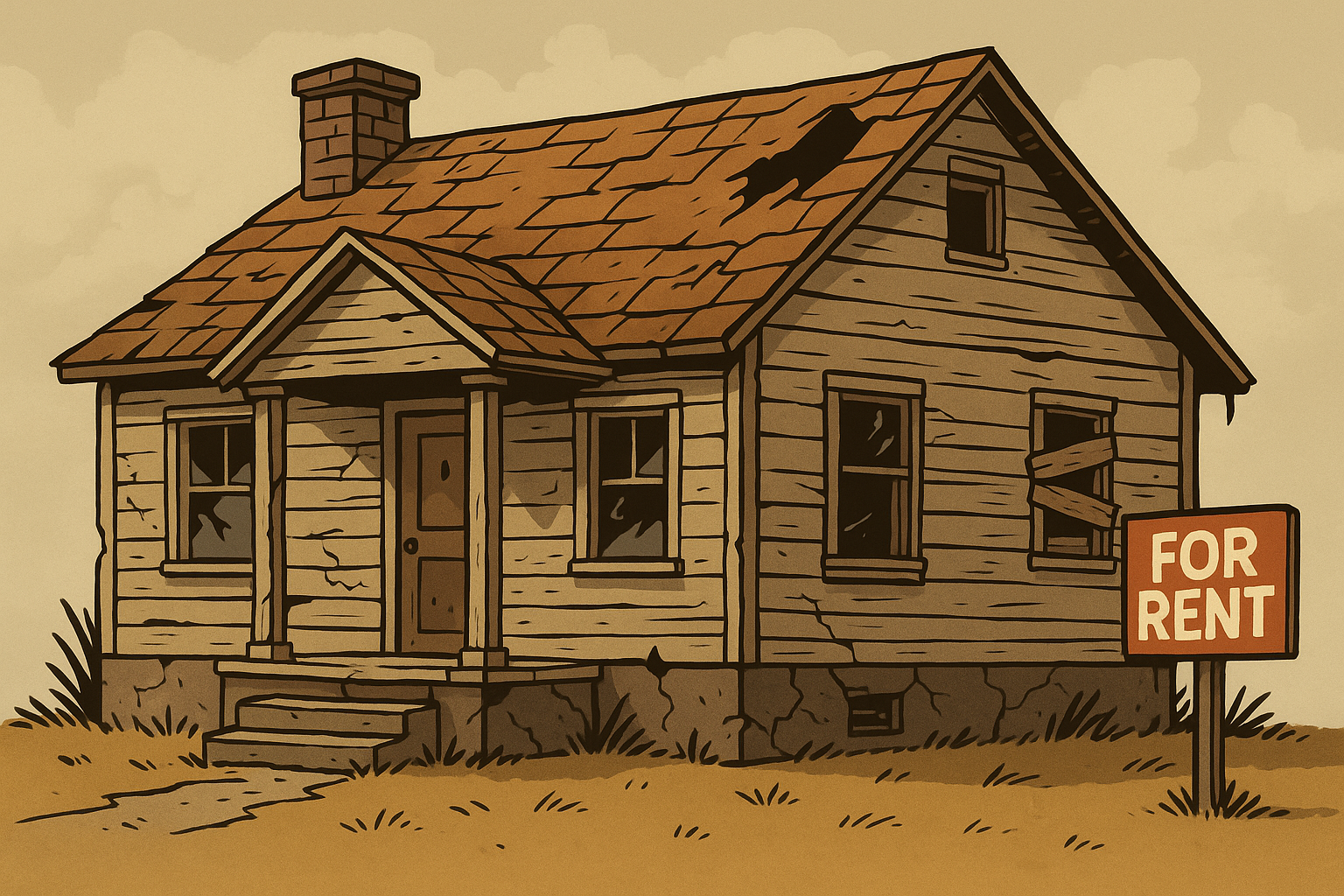
Day after day, I’m stunned by how bad things have gotten. On one hand, the price of renting a home has reached levels that would have been unthinkable just a few years ago and that’s before factoring in hidden costs like utilities. On the other hand, tenants are receiving less and less value for the exorbitant sums they’re forced to pay each month.
This isn’t to say that landlords are evil. Many face their own set of pressures: skyrocketing insurance, property taxes, and repair costs that often leave them little choice but to raise rent. Even still, we’ve arrived at a point where those rent increases too often serve only to service a mortgage or feed corporate profits, while the home itself slips further and further into disrepair, leaving everyday people and their families in a truly tragic and preventable situation.
In my practice, I’m routinely approached by tenants who are, for lack of a better word, being railroaded by property managers instructed to do the bare minimum, just enough to keep the property from completely falling off the legal rails.
The good news for tenants is that habitability law isn’t written in bold black-and-white. It’s a gray area, one where context, persistence, and strong advocacy can make all the difference. With the right legal advocate by your side, you can push back against flagrant neglect and start asserting your rights under California law.
The Simple Truth
The government doesn’t want to involve itself in minor contractual disputes. Rather, the law steps in only when there’s a genuine matter of public health and safety at stake.
California won’t send inspectors because your landlord took away a parking space you were promised, but it will intervene when a landlord neglects their duty to provide a home fit for human habitation. And from what I’m seeing, that bare minimum standard is being tested every single day.
I often listen to clients list problems like rotten wood, persistent leaks, and insect infestations. I think to myself, this is just what they can see. If one pipe is leaking, what about the ones behind the wall? How much unseen damage is quietly threatening their health and safety?
Landlords have taken advantage of that “out of sight, out of mind” mentality for far too long. Don’t let it slide. If you discover any condition that renders your home unfit, or could reasonably lead to that, put your landlord on notice. The law empowers those who make their problems known. Better yet, consult with an attorney who can put legal pressure on them to act.
Like I’ve said before, the line between what’s tolerable and what’s unlawful is blurry. Don’t go it alone. I’ve seen case after case where landlords give bizarre explanations for why something isn’t their responsibility, and tenants accept it simply because those explanations come from a place of authority.
My advice: Don’t take their word for it.
Conclusion
If you see something that threatens the health and safety of your household, and the people responsible for fixing it do nothing, find an advocate who will fight to get you the value you’re paying for, and for that matter what you are legally owed.
-Alex Murad, Esq.