
People always come to me with their reasons as to why they should be able to withhold rent from their landlord for one reason or another. It’s a request I hear constantly here in my hometown of Ojai. Tenants often feel like they get the short end of the stick from their landlords and simply want to take action to rebalance the scale of power.
I always advise them that this is generally a bad idea. However, California law does allow for one instance where a tenant may withhold, or effectively erase, their rent. But before you get too excited about that idea, it comes with a lot of caveats and, in the end, may be more trouble than it’s worth.
A Tenant’s Right to Repair and Deduct
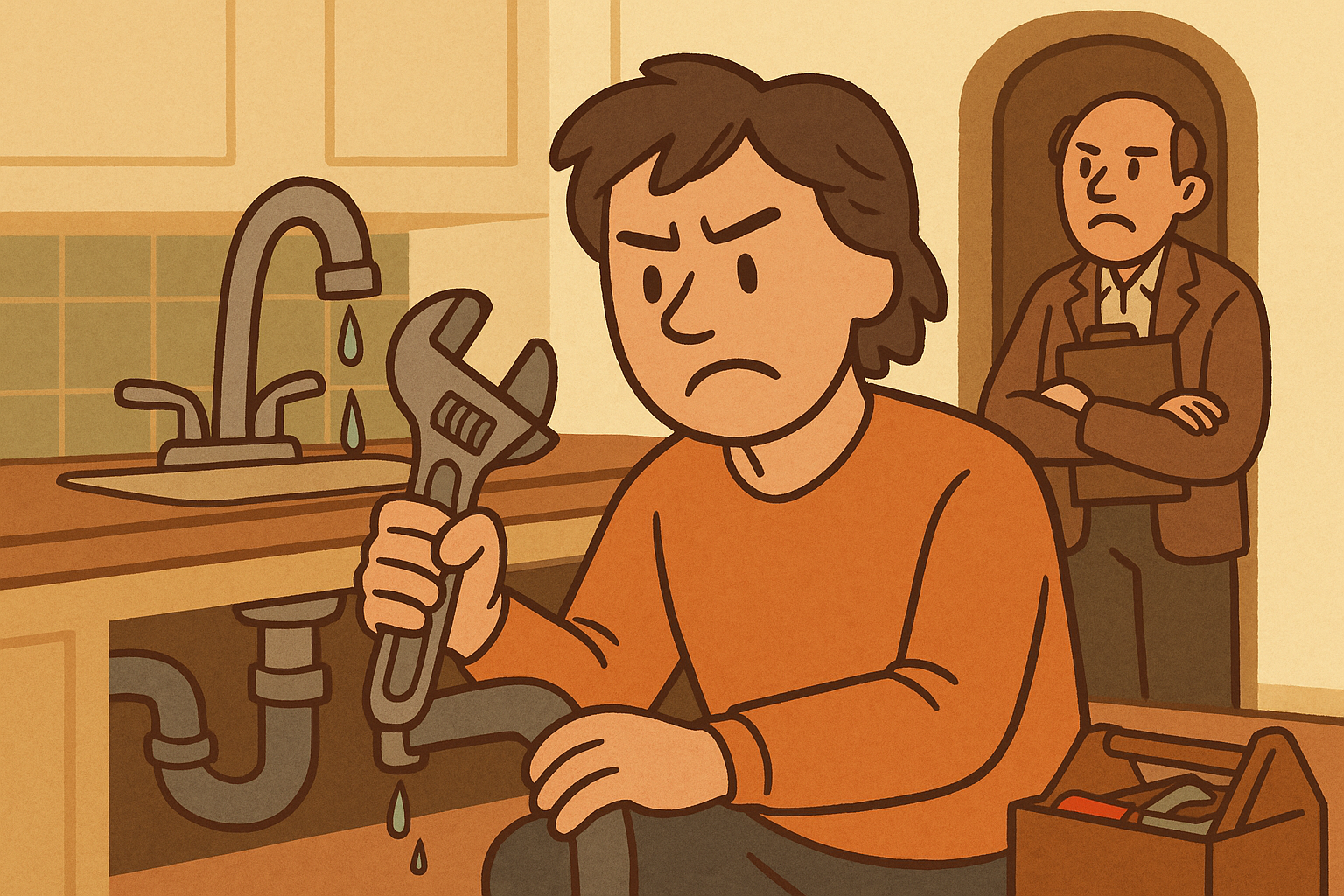
In California, a tenant may deduct the cost of certain repairs they make to their residence when, within a reasonable time after giving the landlord written or oral notice of a condition that renders the premises uninhabitable, the landlord or their agent fails to make the necessary repairs.
In that situation, the tenant can take matters into their own hands, pay for the repair, and deduct that amount from their next month’s rent. Sounds reasonable, right? Well, there are a host of exceptions and pitfalls that make this an undesirable option for most tenants.
The BIG BUT
The law is strict about when a tenant may pursue this course of action because the courts don’t like to interfere with the lease contract itself. It’s a tenant’s duty to pay rent, and the state is reluctant to interject unless the problem rises to a matter of public health or safety.
The statute limits deductions to the cost of one month’s rent and allows tenants to use this remedy no more than twice in a twelve-month period.
What the state is really saying is: We’re okay with tenants handling minor repairs if the landlord won’t, but don’t make a habit of it, and don’t expect to offset major expenses. For anything that goes beyond a simple fix, tenants are encouraged to seek other remedies.
The Alternative
The alternative, which I suggest is the superior option, is for the tenant to simply pack up and leave. At that moment, they are discharged of all duties under the lease effective as of that date.
Often, this puts the landlord in breach of the implied warranty of habitability, the legal duty to provide a home that is livable. In such cases, the tenant may be able to seek monetary damages, such as the cost of finding new housing and even the difference in rent between the old and new residence.
Deciding to Repair and Deduct
Assuming you disregard your favorite attorney’s advice and fail to get the hell out of Dodge, you now face several issues that could come back to haunt you. The repairs you make must not be performed negligently or constitute “waste.”
That term, waste, often goes over people’s heads, but it’s a major concern for tenants. The concept is broad and can even include improvements made to the property that the landlord didn’t approve. That’s right: even if you make an upgrade that increases the property’s value, the landlord could still claim you committed waste by making unapproved alterations.
And with the relationship already strained, why put yourself in a position to invite more conflict? You might save one month’s rent, only for your landlord to turn around and sue you for waste. What a nightmare.
Conclusion
For these reasons, I almost always advise my clients to pack up and leave. It’s a headache, sure, but it’s often the best move. It puts you, the tenant, in a position of power as the non-breaching party who can later seek damages, rather than the one inviting new liability.
If you find yourself in this situation, it’s important to speak with an attorney who can help you sort through the facts and determine the best way forward. Don’t go it alone, there’s a lot of nuance here that only a competent attorney can spot and use to keep you protected.
— Alex Murad, Esq.