
By the grace of God or Mother Nature, take your pick, California is officially out of a statewide drought for the first time in a generation. That is worth celebrating.
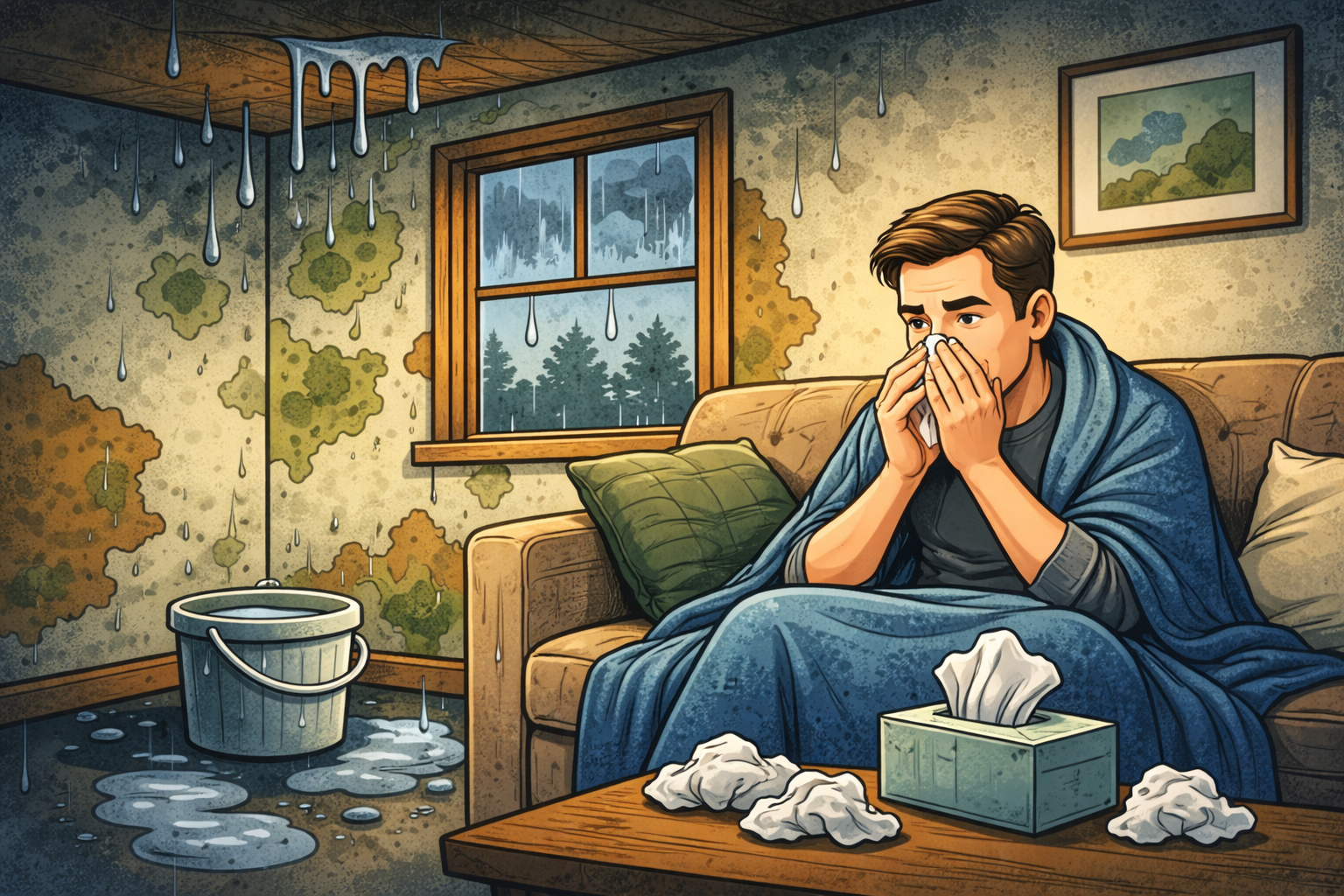
But heavy rain has a way of stress testing aging housing stock. Roofs that have not been challenged in years suddenly start leaking. Window seals fail. Drainage problems show up fast. And when the weather warms up, moisture turns into something else.
Mold.
I expect to see more mold-related habitability claims this year for one simple reason. A lot of properties were pushed to their limit this winter.
Before we go further, let’s get something straight.
Not every allegation of “this house has mold” equals a winning lawsuit.
In California, landlords are bound by the implied warranty of habitability. Rental property must be fit for human occupation and comply with basic health and safety standards. Mold becomes a legal issue when:
• It is substantial enough to affect health and safety
• It results from a condition the landlord is responsible for, such as a roof leak or plumbing failure
• The landlord had notice of the problem and failed to repair it within a reasonable time
That is the framework. Without it, you just have frustration. With it, you may have leverage.
And it does not matter how nice the building is. A leaking luxury unit grows the same mold as a neglected one, and the same rules apply. I get into why even luxury rentals can fall below habitability standards in a separate piece.
The “Holy Grail” Claim Requires Receipts
Clients sometimes come into my office ready to throw the book at their landlord because they believe there is toxic mold in the unit.
I understand the impulse. Mold is scary.
But if you are going to make one of the more serious habitability claims, especially one that involves health complaints, you need to be able to prove it.
In other words:
You need receipts.
Step One: Take Care of Your Health
If you are dealing with respiratory symptoms, persistent coughing, headaches, or other issues you suspect may be related to mold, go see a doctor.
Tell your doctor about the water intrusion and your concerns. This does two important things.
First, it helps your doctor evaluate possible environmental factors in your treatment.
Second, it creates a contemporaneous medical record. That record does not automatically prove causation, but it documents that symptoms and suspected exposure were occurring at the same time. That matters.
Step Two: Document the Property Condition
Photos. Videos. Dates.
If there was a roof leak, document it. If there was visible staining, swelling drywall, peeling paint, warped baseboards, or visible growth, document that too.
Most importantly, give written notice to your landlord. Email. Text. Certified letter. Something that can be shown later.
Habitability cases often turn on notice. A landlord generally must be given a reasonable opportunity to fix the issue, and you want proof they knew about it.
Step Three: Get Reliable Testing
Home testing kits may give you information. But if this is going to become a legal dispute, you will likely need independent third-party testing from a reputable company.
An impartial report carries far more weight than a DIY kit if the issue ends up in court.
Now you are building a file. Not just a complaint.
When It Crosses Into Legal Territory
If:
• There was significant water intrusion
• The landlord was notified
• Repairs were delayed or ignored
• Mold is confirmed or conditions strongly support its presence
• And you are experiencing health or property damage
That is when it is time to talk to a lawyer.
I have seen more than one tenant with a legitimate problem weaken their position by acting too quickly without guidance.
The reality is this. A wet winter does not automatically create lawsuits. But it does expose weaknesses in neglected properties.
If your home was one of them, the law may be on your side. Just make sure you build your case the right way.
Thinking About Calling a Lawyer? Here’s What to Have Ready.
If you believe mold or water intrusion has made your rental unsafe and you are considering legal action, gather this first:
• Photos or videos of leaks, water damage, or visible mold
• Dates the problems started
• Copies or screenshots of written notice to your landlord
• Any responses, or lack of responses, from the landlord
• Repair invoices or inspection reports, if any
• Dates of medical visits related to symptoms
• Any mold testing results
When someone walks into my office with that file, the conversation changes.
Now we are not debating whether there is a problem.
We are discussing strategy.
There is a big difference between suspicion and evidence. The tenants who understand that difference are the ones who put themselves in the strongest position.
Wet winters come and go. Documentation is what turns a weather problem into legal leverage.
Receipts first. Then strategy.